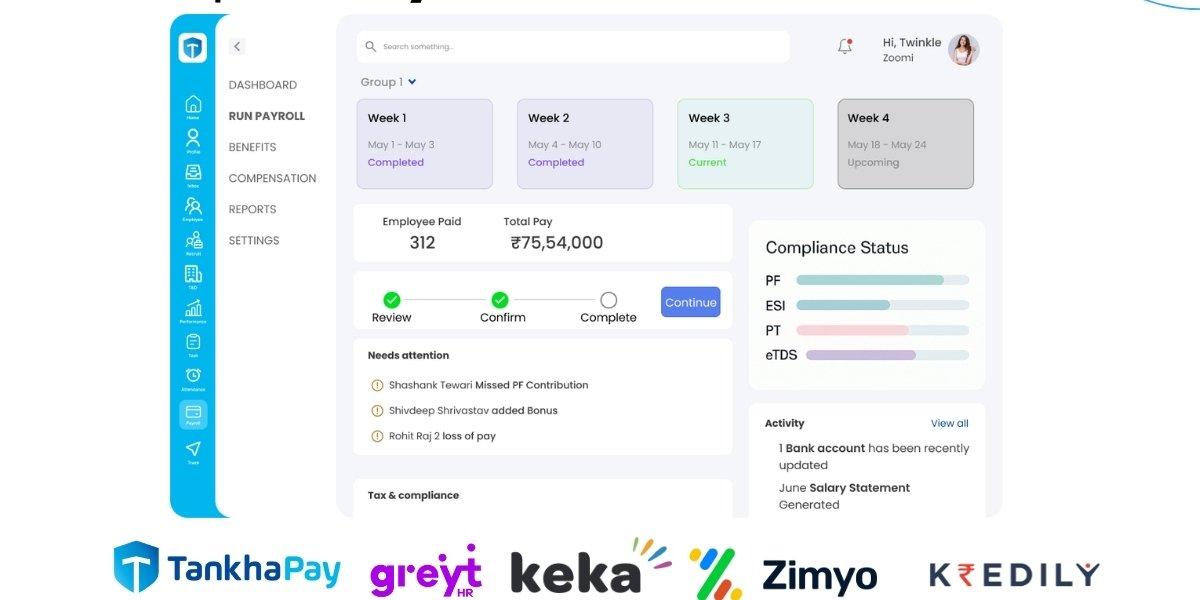
In the rapidly evolving business landscape of India, staying competitive requires efficiency, accuracy, and compliance with ever-changing regulations. For businesses of all sizes, managing payroll manually is becoming an outdated practice. By 2025, payroll software in India is no longer a luxury but a necessity for businesses aiming to streamline operations, ensure compliance, and enhance employee satisfaction. This blog explores why every Indian business, from startups to large enterprises, needs payroll software in 2025, delving into its benefits, features, and the unique challenges it addresses in the Indian context.
The Growing Complexity of Payroll Management in India
India’s workforce is diverse, with varying salary structures, tax regulations, and compliance requirements that differ across states and industries. Managing payroll manually or through outdated systems is a recipe for errors, inefficiencies, and non-compliance. Here are some challenges Indian businesses face:
Complex Tax Regulations: India’s tax system, including Income Tax, Provident Fund (PF), Employee State Insurance (ESI), and Professional Tax, is intricate. Each has specific rules, deadlines, and calculations that must be adhered to, and errors can lead to penalties.
Diverse Workforce Needs: From contractual workers to full-time employees, businesses must handle multiple types of compensation, including bonuses, incentives, and variable pay structures.
Frequent Regulatory Changes: The Indian government frequently updates labor laws, tax slabs, and compliance requirements. Keeping up with these changes manually is time-consuming and error-prone.
Scalability Issues: As businesses grow, so does the complexity of payroll. Manual processes that work for a small team become unmanageable for larger organizations.
Employee Expectations: Modern employees expect timely salary disbursements, accurate payslips, and transparency in deductions. Manual errors can erode trust and affect morale.
Payroll software in India addresses these challenges by automating processes, ensuring compliance, and providing scalability to meet growing business needs.
Why Payroll Software is Essential in 2025
1. Automation Saves Time and Reduces Errors
Manual payroll processing is labor-intensive, requiring hours of calculations, data entry, and verification. Payroll software automates tasks like salary calculations, tax deductions, and payslip generation, significantly reducing the time spent on these activities. For instance, software can instantly calculate PF contributions, ESI deductions, and income tax based on the latest slabs, eliminating human errors.
In 2025, with businesses focusing on efficiency, automation through payroll software in India allows HR teams to focus on strategic tasks like talent acquisition and employee engagement rather than repetitive administrative work.
2. Ensures Compliance with Indian Laws
Compliance is a critical concern for Indian businesses. Non-compliance with PF, ESI, or tax regulations can result in hefty fines and legal repercussions. Payroll software is designed to stay updated with the latest regulatory changes, ensuring businesses remain compliant without manual intervention.
For example, when the government updates tax slabs or introduces new labor laws, modern payroll software automatically incorporates these changes into its calculations. This feature is particularly beneficial for businesses operating across multiple states, where compliance requirements vary.
3. Scalability for Growing Businesses
Whether you’re a startup with 10 employees or an enterprise with thousands, payroll software in India is designed to scale with your business. Cloud-based payroll solutions allow businesses to add employees, integrate new salary structures, and manage complex payroll needs without investing in additional infrastructure.
In 2025, as Indian businesses expand into new markets or adopt remote work models, scalable payroll software ensures seamless management of distributed workforces, including remote employees and freelancers.
4. Enhances Employee Experience
Employee satisfaction is a key driver of productivity and retention. Payroll software ensures timely salary payments, accurate payslips, and transparency in deductions, fostering trust between employers and employees. Many payroll systems also offer employee self-service portals, allowing workers to access payslips, tax documents, and leave balances at their convenience.
In a competitive job market like India’s, where talent retention is critical, offering a seamless payroll experience can set businesses apart.
5. Cost-Effective Solution
While some businesses hesitate to invest in payroll software due to perceived costs, the reality is that it saves money in the long run. Manual processes often require dedicated staff, increasing labor costs. Errors in payroll calculations can lead to penalties or overpayments, further adding to expenses. Payroll software in India eliminates these costs by automating processes and reducing errors, offering a high return on investment.
For small businesses and startups, affordable cloud-based payroll solutions are available, making it accessible even for those with limited budgets.
6. Data Security and Confidentiality
Payroll data contains sensitive information like employee salaries, bank details, and tax records. Manual processes or outdated systems increase the risk of data breaches or unauthorized access. Modern payroll software in India uses advanced encryption and cloud-based storage to ensure data security and compliance with data protection regulations.
In 2025, with increasing cyber threats, businesses cannot afford to compromise on data security. Payroll software provides peace of mind by safeguarding sensitive information.
7. Integration with Other Business Systems
Payroll doesn’t exist in isolation—it’s interconnected with HR, accounting, and time-tracking systems. Leading payroll software in India integrates seamlessly with tools like HRMS (Human Resource Management Systems), accounting software (e.g., Tally, QuickBooks), and attendance tracking systems. This integration ensures data consistency across platforms, reducing manual data entry and improving overall efficiency.
For example, integrating payroll with attendance systems allows automatic calculation of salaries based on working hours, leaves, or overtime, streamlining the entire process.
Key Features to Look for in Payroll Software in India
When choosing payroll software in 2025, Indian businesses should prioritize features that address their unique needs. Here are some must-have features:
Compliance Management: Automatic updates for PF, ESI, TDS, and other regulations.
Employee Self-Service Portal: Allows employees to access payslips, tax forms, and leave details.
Cloud-Based Access: Enables remote access and management from anywhere.
Multi-State Support: Handles varying compliance requirements across Indian states.
Customizable Salary Structures: Supports diverse compensation models, including bonuses and incentives.
Integration Capabilities: Seamlessly connects with HR, accounting, and attendance systems.
Data Security: Offers encryption and secure cloud storage for sensitive data.
Reporting and Analytics: Provides insights into payroll expenses, tax liabilities, and employee costs.
Challenges Addressed by Payroll Software in India
1. Managing a Diverse Workforce
India’s workforce includes full-time employees, contract workers, freelancers, and gig workers, each with unique payroll requirements. Payroll software simplifies the management of diverse salary structures, ensuring accurate calculations and compliance for all employee types.
2. Handling Multi-State Operations
Businesses operating across multiple states face varying tax and labor laws. For example, Professional Tax rates differ between states like Maharashtra, Karnataka, and Tamil Nadu. Payroll software automatically adjusts calculations based on location, reducing the risk of errors.
3. Supporting Remote Work
The rise of remote work in India has made payroll management more complex. Cloud-based payroll software allows businesses to manage payroll for remote employees, ensuring timely payments and compliance regardless of location.
4. Meeting Employee Expectations
Modern employees expect digital solutions for accessing payslips, tax documents, and other payroll-related information. Payroll software with self-service portals meets these expectations, improving employee satisfaction.
Popular Payroll Software in India for 2025
Several payroll software solutions cater specifically to the Indian market. Some popular options include:
Zoho Payroll: Known for its user-friendly interface and compliance with Indian tax laws.
Keka: Offers robust HR and payroll features, ideal for small and medium businesses.
GreytHR: Popular for its cloud-based platform and multi-state compliance support.
Paybooks: A cost-effective solution for startups and SMEs.
SumoPayroll: A cloud-based payroll software with strong integration capabilities.
When choosing software, businesses should evaluate their specific needs, budget, and scalability requirements to find the best fit.
The Future of Payroll Software in India
As we move into 2025, the adoption of payroll software in India is expected to grow rapidly, driven by advancements in technology and increasing regulatory complexity. Emerging trends include:
AI and Automation: AI-powered payroll systems will predict salary trends, optimize tax savings, and provide actionable insights.
Mobile Accessibility: Payroll apps will allow employees and employers to manage payroll on the go.
Blockchain for Security: Blockchain-based payroll systems may emerge to enhance data security and transparency.
Integration with Gig Economy Platforms: As the gig economy grows, payroll software will integrate with platforms like Upwork or UrbanClap to manage freelancer payments.
Conclusion
In 2025, payroll software in India is a game-changer for businesses looking to stay competitive, compliant, and efficient. By automating repetitive tasks, ensuring compliance, and enhancing employee satisfaction, payroll software addresses the unique challenges faced by Indian businesses. Whether you’re a small startup or a large enterprise, investing in payroll software is a strategic decision that saves time, reduces costs, and positions your business for growth.
As India’s business landscape continues to evolve, adopting modern payroll solutions is not just an option—it’s a necessity. Evaluate your business needs, explore available software options, and take the first step toward transforming your payroll processes in 2025.