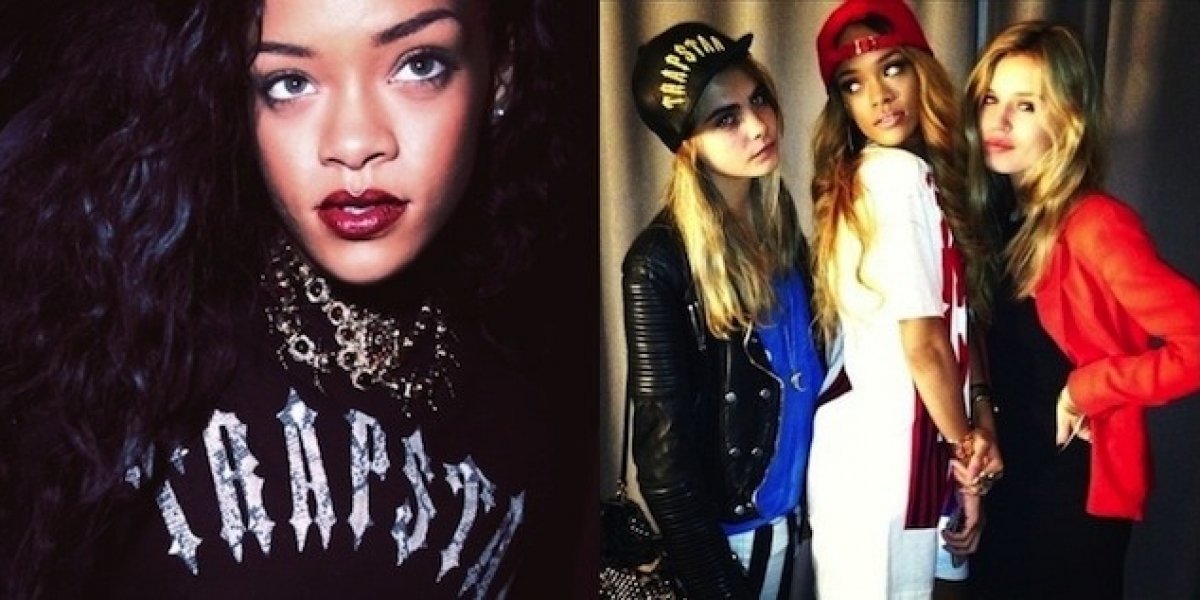
In the world of fashion, few brands have managed to merge authenticity, rebellion, and luxury as seamlessly as Trapstar. What began as a grassroots streetwear label born on the gritty streets of West London has transformed into a global cultural force—worn by celebrities, athletes, and artists who embody its raw energy. Trapstar’s rise from underground beginnings to international acclaim isn’t just a story about clothing; it’s a story about culture, identity, and self-expression.
The Origins: A Brand Born from the Streets
trapstar was founded in London in the early 2000s by friends Mikey Trapstar, Lee, and Will—three creatives who shared a vision of bringing street culture to the forefront of fashion. What started as a side hustle—printing T-shirts in their bedrooms and selling them from car trunks—quickly gained momentum through word of mouth.
The brand’s name, “Trapstar,” reflects its philosophy: anyone can be a star, no matter where they come from. The word “trap” represents the hustle, the grind, and the struggle of inner-city life, while “star” symbolizes aspiration and achievement. This duality—grit meeting glory—is what gives Trapstar its unique identity.
At its core, the brand was more than just about clothes—it was about a mindset. Trapstar’s founders weren’t chasing trends or high fashion acceptance; they were creating something real for the people who lived and breathed the street culture that inspired them.
Underground Beginnings: The Power of Exclusivity
Trapstar’s early strategy revolved around exclusivity and mystery. Before Instagram and online hype culture, the founders distributed their pieces in person, often delivering hoodies and T-shirts to friends, musicians, and local trendsetters. Each drop was limited and often unannounced, creating a sense of anticipation and community.
This grassroots approach built a cult-like following. Fans felt part of something secret and authentic—a movement that belonged to them, not to mainstream fashion. Trapstar’s slogan, “It’s a Secret,” perfectly captured that allure. Owning a Trapstar piece wasn’t just about fashion—it was a badge of belonging.
The Aesthetic: Rebellion in Design
From the beginning, Trapstar’s design aesthetic reflected the rawness of urban life. Dark color palettes, bold graphics, and militaristic influences became signature elements. The brand drew inspiration from music, nightlife, and the social struggles that defined London’s youth.
Trapstar’s imagery—barbed wire, gothic lettering, and covert military motifs—embodied rebellion and defiance. The clothing spoke to a generation that felt unseen, turning fashion into a form of resistance. It wasn’t about luxury or prestige; it was about power, identity, and authenticity.
Yet, as the brand evolved, so did its craftsmanship. Trapstar found a way to maintain its underground DNA while elevating quality and design—blurring the line between streetwear and high fashion.
The Music Connection: Where Fashion Meets Sound
Music played a monumental role in Trapstar’s rise. The brand became deeply intertwined with the UK’s grime and rap scenes, which were gaining momentum at the same time. Artists like Stormzy, Skepta, and Giggs proudly wore Trapstar, helping to amplify its presence beyond London.
But the movement didn’t stop there. As Trapstar’s influence spread, it caught the attention of international artists—most notably Rihanna, Jay-Z, and A$AP Rocky. Jay-Z even became an early investor in the brand, helping to propel it to global recognition.
This relationship between Trapstar and music wasn’t just about endorsements—it was symbiotic. The brand dressed the sound of the streets. The beats, lyrics, and visuals of the artists who wore Trapstar echoed the same spirit of rebellion and resilience that the clothing represented.
From the Underground to the Runway
By the mid-2010s, Trapstar had transitioned from underground streetwear to a global fashion label without compromising its identity. Collaborations with major brands like PUMA and Coca-Cola solidified its place in mainstream fashion, while its collections continued to pay homage to its London roots.
Trapstar’s ability to evolve while staying true to its essence is what sets it apart. Even as it entered luxury retailers like Selfridges and Harvey Nichols, the brand retained its underground credibility. The pieces—whether a puffer jacket, graphic tee, or tracksuit—still carried the same edge and attitude that defined its beginnings.
Today, Trapstar is recognized not just as a brand, but as a movement—a cultural bridge between the streets and the world of high fashion.
Cultural Impact: More Than Just Clothing
Trapstar’s rise reflects a larger cultural shift—the growing acceptance of streetwear as a legitimate art form. What was once dismissed as casual or rebellious has now become a cornerstone of global fashion.
Trapstar’s impact goes beyond clothing; it’s about representation. It gives voice to a community often overlooked by the traditional fashion world. It celebrates diversity, creativity, and perseverance. For many young people in London and beyond, wearing Trapstar is a declaration: I came from the struggle, but I made it my strength.
In this sense, the brand has become a symbol of empowerment. It’s proof that authenticity can thrive in an industry that often values image over substance.
Trapstar and the Global Stage
What began on the streets of West London now commands attention worldwide. Trapstar has expanded its reach across Europe, North America, and Asia, gaining fans from Tokyo to New York. Its collections sell out quickly, its pieces appear in music videos and magazine spreads, and its logo has become instantly recognizable.
Yet, despite global success, Trapstar remains rooted in its origins. The founders have always maintained a close connection with the community that birthed the brand, supporting youth initiatives, creative collaborations, and emerging talent.
This balance—between global appeal and local authenticity—is what makes Trapstar a standout in modern fashion. It’s proof that streetwear can go international without losing its soul.
The Legacy of Trapstar
Trapstar’s journey from underground London label to global powerhouse is more than a fashion success story—it’s a testament to the power of vision and authenticity. In an era where many brands chase hype, Trapstar has stayed true to its core values: creativity, resilience, and rebellion.
It represents a new generation of designers and entrepreneurs who build empires from the streets up—without compromising who they are. The brand’s slogan, “It’s a Secret,” still resonates, not because it hides its identity, but because it symbolizes the mystery and depth that true creativity holds.
Final Thoughts
The rise of Trapstar https://trapstarofficialshop.com/ is a story of grit meeting glamour, of underground dreams becoming global realities. From printing T-shirts in a London flat to dressing icons around the world, Trapstar has shown that fashion doesn’t need validation from the establishment to make an impact.
It’s a celebration of culture, community, and creativity—a reminder that the streets will always be the heartbeat of innovation.
Trapstar didn’t just climb the ranks of global fashion; it rewrote the rules, proving that authenticity is the most powerful luxury of all