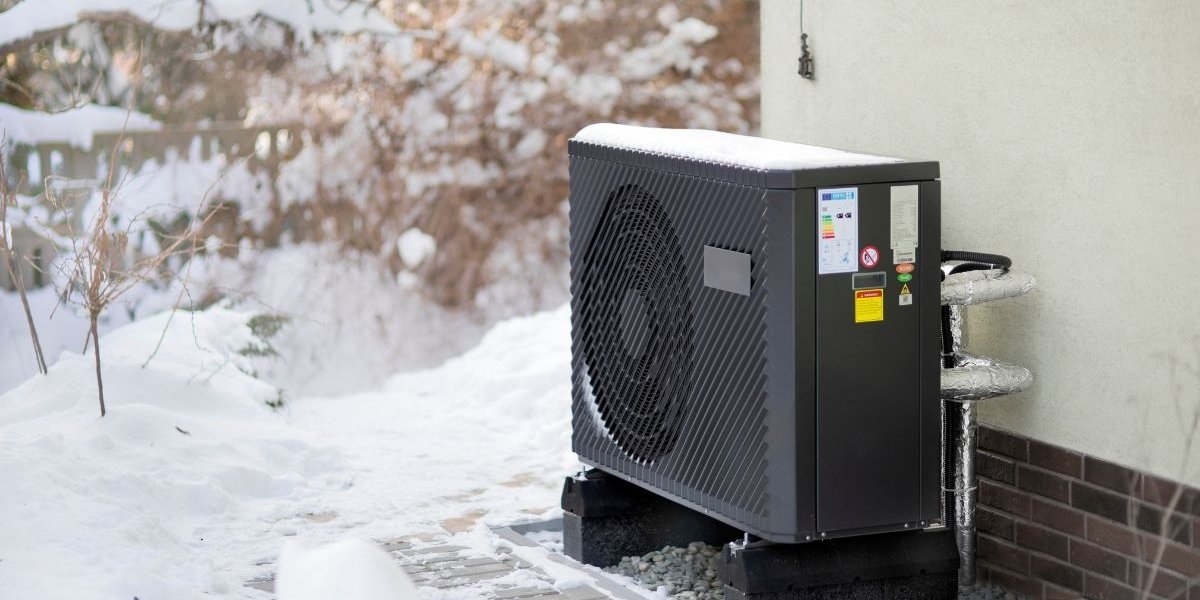
In today’s world, energy efficiency and environmental sustainability have become top priorities for homeowners and businesses alike. One of the most effective ways to achieve both is through the use of heat pumps. Heat pumps provide an efficient and reliable solution for heating and cooling your home or commercial property. Unlike traditional heating systems that generate heat, heat pumps transfer existing heat from the air, ground, or water, offering a more energy-efficient way to maintain comfortable indoor temperatures throughout the year.
Whether you are considering heat pump installation, require repairs for an existing unit, or want to upgrade your system for better efficiency, understanding the benefits and processes involved is essential. This article explores the key aspects of heat pump solutions, focusing on installation, repair, and efficiency upgrades.
Understanding Heat Pumps
A heat pump is a versatile device that provides both heating and cooling by transferring heat from one place to another. During the winter, it extracts heat from the outside air (or ground, in the case of geothermal models) and brings it indoors. In the summer, the process reverses, removing heat from inside your property and releasing it outdoors.
The key advantages of heat pumps include:
Energy Efficiency: Heat pumps can deliver up to three times more heating energy than the electricity they consume.
Reduced Carbon Footprint: Since they rely on transferring heat rather than generating it, they reduce greenhouse gas emissions.
Cost Savings: Lower energy consumption translates to lower utility bills over time.
Year-Round Comfort: Heat pumps provide both heating and cooling, eliminating the need for separate systems.
Heat Pump Installation
Proper installation is crucial for ensuring your heat pump operates efficiently and effectively. A poorly installed unit can lead to decreased performance, higher energy bills, and frequent repairs. Here’s what a professional heat pump installation typically involves:
Assessment and Planning:
A certified technician evaluates your property’s heating and cooling needs, considering factors such as square footage, insulation quality, and local climate conditions. This assessment helps determine the right size and type of heat pump for your home.Choosing the Right Heat Pump:
There are several types of heat pumps, including air-source, ground-source (geothermal), and water-source systems. Air-source heat pumps are the most common and cost-effective, while geothermal units offer higher efficiency but involve more extensive installation.Professional Installation:
Installation involves placing the heat pump indoors and outdoors, connecting refrigerant lines, and integrating the system with your existing ductwork or a ductless setup. Technicians ensure that all components are properly sealed and calibrated for optimal performance.Testing and Calibration:
After installation, the system is tested to verify proper operation. Technicians check temperature output, airflow, refrigerant levels, and system controls to ensure everything is functioning correctly.
Investing in professional installation not only maximizes efficiency but also extends the lifespan of your heat pump.
Heat Pump Repairs
Even with proper maintenance, heat pumps may occasionally require repairs. Common issues include:
Refrigerant Leaks: Low refrigerant levels reduce heating and cooling efficiency.
Faulty Compressors: The compressor is the heart of the system; if it fails, the heat pump won’t function.
Electrical Issues: Wiring problems or circuit failures can prevent the system from operating.
Frozen Coils: Ice buildup on the outdoor unit can hinder performance, especially in colder climates.
Thermostat Malfunctions: If the thermostat is inaccurate or unresponsive, the system may fail to maintain the desired temperature.
Hiring a certified technician for heat pump repairs ensures that problems are diagnosed accurately and resolved quickly. Regular maintenance, including cleaning filters, checking refrigerant levels, and inspecting electrical components, can prevent many common issues and reduce the need for costly repairs.
Efficiency Upgrades for Heat Pumps
Over time, heat pumps may lose efficiency due to aging components or outdated technology. Upgrading your system can improve energy efficiency, reduce operating costs, and enhance comfort. Some popular efficiency upgrades include:
High-Efficiency Heat Pumps:
Modern heat pumps are more efficient than older models, with higher SEER (Seasonal Energy Efficiency Ratio) ratings for cooling and HSPF (Heating Seasonal Performance Factor) ratings for heating. Replacing an older unit with a high-efficiency model can significantly reduce energy bills.Variable-Speed Compressors:
Traditional heat pumps operate at a fixed speed, cycling on and off frequently. Variable-speed compressors adjust output based on the heating or cooling demand, providing more consistent temperatures and improved efficiency.Advanced Thermostats and Smart Controls:
Installing a programmable or smart thermostat allows you to optimize heating and cooling schedules. These systems can learn your preferences, adjust settings automatically, and even be controlled remotely via smartphone apps.Ductwork Improvements:
Leaky or poorly insulated ducts can reduce heat pump efficiency. Sealing and insulating ductwork ensures that conditioned air reaches every corner of your home without unnecessary energy loss.Regular Maintenance Plans:
Scheduling routine maintenance with a professional technician helps identify minor issues before they become major problems, keeping your heat pump running efficiently for years.
Choosing the Right Heat Pump Service Provider
Selecting a reputable heat pump service provider is critical for installation, repair, and efficiency upgrades. Consider the following when choosing a company:
Experience and Certification: Look for licensed and certified technicians with experience in heat pump systems.
Comprehensive Services: A reliable provider should offer installation, repair, maintenance, and efficiency upgrade services.
Customer Reviews: Positive feedback from past customers indicates quality service and professionalism.
Transparent Pricing: Ensure the company provides clear estimates and competitive pricing.
Emergency Services: Heating and cooling emergencies can happen unexpectedly, so access to prompt repair services is important.
Conclusion
Heat pumps are an excellent solution for homeowners and businesses seeking energy-efficient, cost-effective, and environmentally friendly heating and cooling options. Proper installation, timely repairs, and efficiency upgrades are key to maximizing the benefits of your heat pump system. By working with a trusted service provider, you can ensure reliable year-round comfort, lower energy bills, and a reduced environmental footprint.
Investing in your heat pump not only improves your immediate comfort but also adds long-term value to your property. Whether you are installing a new system, repairing an existing unit, or upgrading for improved efficiency, professional heat pump solutions provide peace of mind and performance you can depend on.