Long drives in Dubai feel smooth at first. Roads are wide. Speed limits are high. Cars run steadily for long distances. Many drivers assume this kind of driving is easier on the vehicle than city traffic.
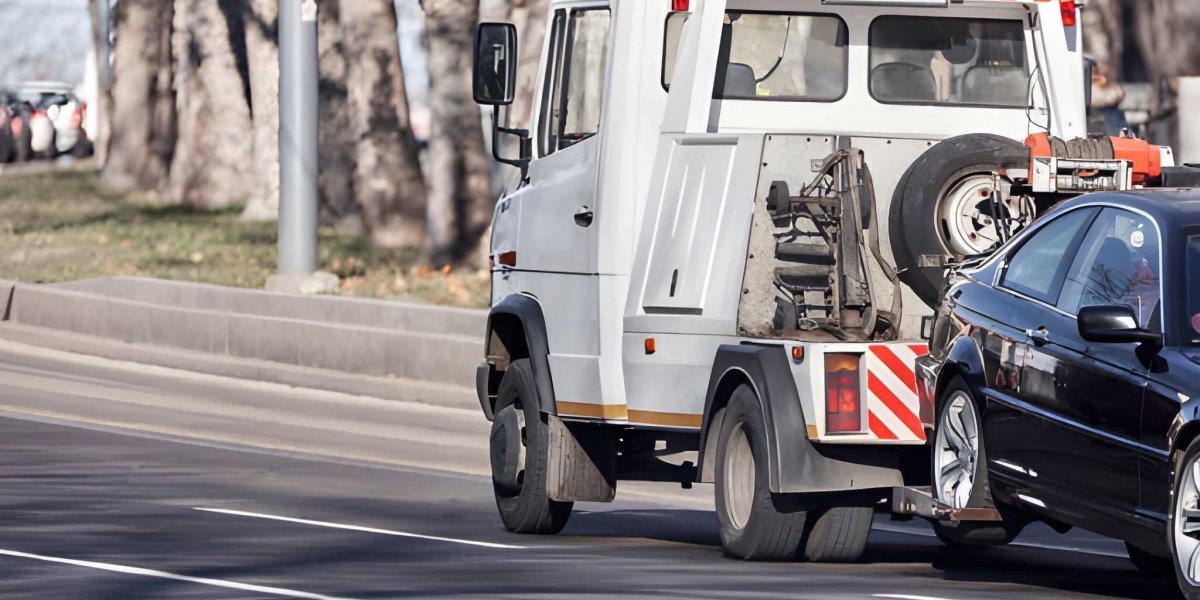
But breakdowns after long drives are common. In many cases, the car stops shortly after exiting the highway or while slowing down. When this happens, drivers often search “recovery near me” because the problem feels sudden and serious.
Understanding why cars fail after long drives helps drivers prevent damage and react safely.
1. Engines Stay Hot for a Long Time
During long drives, engines operate at higher temperatures.
Even if the car feels fine while moving, heat builds up inside the engine bay. Once the car slows down or stops, airflow drops suddenly. The trapped heat has nowhere to go.
This is when overheating occurs. Warning lights may appear late, and shutdowns can feel unexpected.
2. Cooling Systems Get Pushed Hard
Cooling systems work continuously on long drives.
Radiators, fans, hoses, and coolant must perform without rest. If any part is weak, the system struggles once the drive ends.
Low coolant, worn hoses, or a failing fan often reveal themselves only after the engine is already under stress.
3. Transmission Heat Builds Quietly
Automatic transmissions heat up during long-distance driving.
Fluid circulates constantly. Over time, old or dirty fluid loses its ability to cool and lubricate. The problem may not show while cruising but appears when slowing down.
Drivers may feel delayed shifting, jerks, or loss of power before the car stops moving.
4. Battery and Charging Systems Get Drained
Long drives use electrical systems continuously.
Sensors, fuel pumps, electronics, and climate control depend on stable power. A weak battery or alternator may survive short trips but fail after long usage.
This often leads to sudden shutdowns when stopping at traffic lights or parking.
5. Fuel System Issues Appear After Distance
Fuel systems rely on consistent pressure.
Clogged filters or weak pumps struggle after long use. When fuel flow drops, engines stall, especially during deceleration.
Restarting the car may not work, making roadside recovery necessary.
6. Tires Heat Up Over Distance
Tires build heat with every kilometer.
Underinflated or worn tires suffer more. After a long drive, tire pressure changes. Weak sidewalls may fail suddenly.
Blowouts or severe vibration force drivers to stop immediately.
7. Sensors React After Prolonged Use
Modern cars rely on sensors.
After long drives, sensors exposed to heat and vibration may send incorrect data. The system may respond by limiting power or shutting the engine down.
These issues cannot be fixed safely on the roadside.
8. Warning Signs Are Easy to Miss
Drivers relax during long drives.
Music plays. Speed is steady. Small warning signs like smells, vibrations, or lights are ignored.
Problems become clear only when the car slows down or stops.
9. Why Breakdowns Often Happen After Exiting the Highway
Many breakdowns occur near exits.
The engine goes from high speed to idle quickly. Cooling drops. Heat spikes. Electrical load changes.
This transition exposes weaknesses immediately.
10. When to Search “Recovery Near Me” After a Long Drive
Drivers should search “recovery near me” when:
The engine overheats
Warning lights appear suddenly
The car stalls after slowing down
Gears stop responding
The car refuses to restart
Continuing to drive can cause serious damage.
11. What to Do If the Car Stops After a Long Drive
If the car stops:
Turn on hazard lights
Move to a safe area if possible
Do not open the hood immediately
Let the engine cool
Stay inside on busy roads
Safety comes first.
12. Why Restarting Can Make Things Worse
Restarting a hot engine can cause damage.
Overheated parts expand. Oil pressure may be low. Sensors may malfunction.
Waiting for professional help is often the safest choice.
13. How Drivers Can Reduce Post-Drive Breakdowns
Simple habits help:
Check coolant and oil before long trips
Inspect tires and pressure
Service transmission on time
Replace old batteries
Take breaks during long drives
Preparation matters.
14. Planning Long Drives in Dubai
Smart planning reduces risk.
Avoid driving during peak heat. Do not overload the car. Watch dashboard warnings closely.
Give the car time to cool after long journeys.
Conclusion
Cars often break down after long drives in Dubai due to heat buildup, cooling system strain, electrical load, and delayed system response. These failures feel sudden but usually develop over distance.
This is why drivers frequently search “recovery near me” after completing long trips. Quick professional assistance prevents further damage and keeps drivers safe.
Drivers who prepare their vehicles, stay alert, and respond calmly handle long drives with fewer problems. On Dubai roads, awareness and maintenance make every journey safer.