
Metal wall panels have become a popular choice for both residential and commercial construction due to their durability, aesthetic appeal, and versatility. Unlike traditional wall materials like wood or stucco, metal panels offer long-lasting protection, minimal maintenance, and a modern appearance. Whether you are designing a sleek office building, a warehouse, or a contemporary home, metal wall panels provide a practical and stylish solution.
Types of Metal Wall Panels
Metal wall panels come in various styles and materials, each designed to meet specific functional and aesthetic requirements. Choosing the right type depends on the building’s purpose, climate, and design preferences.
1. Corrugated Metal Panels
Corrugated metal panels are widely recognized for their ridged design, which enhances structural strength and durability. They are typically made from steel or aluminum and are commonly used in both residential and commercial buildings.
Advantages:
Strong and durable
Cost-effective
Easy to install
Provides an industrial aesthetic
2. Insulated Metal Panels (IMPs)
Insulated metal panels consist of a metal outer layer with an inner foam core. These panels provide excellent thermal insulation, helping regulate interior temperatures and reduce energy costs. IMPs are particularly useful in commercial and industrial buildings where energy efficiency is a priority.
Advantages:
High thermal efficiency
Sound insulation
Energy savings
Strong and durable
3. Aluminum Composite Panels (ACP)
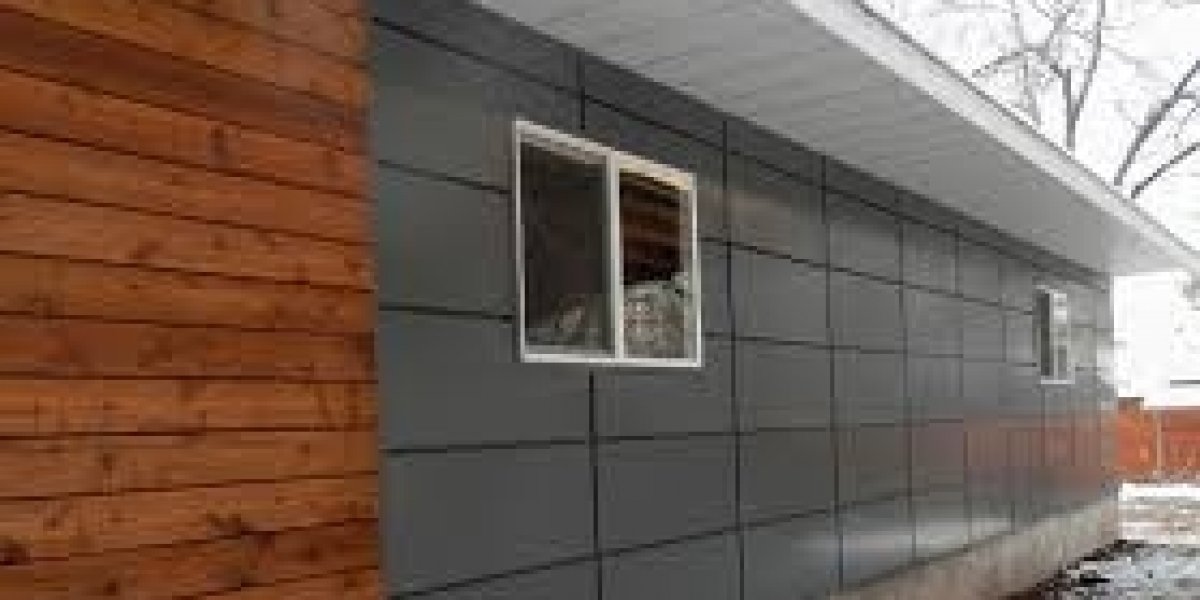
Aluminum composite panels feature two thin aluminum sheets bonded to a non-aluminum core. These panels are lightweight yet strong and are known for their modern, sleek appearance. They are often used for high-rise buildings, exterior cladding, and decorative wall elements.
Advantages:
Lightweight and easy to handle
Resistant to corrosion and weather damage
Available in a variety of colors and finishes
Modern and attractive design
4. Standing Seam Panels
Standing seam panels are characterized by raised interlocking seams, which provide superior weather resistance and a clean, contemporary look. These panels are suitable for walls and roofing applications.
Advantages:
Excellent water and weather resistance
Minimal maintenance
Sleek and modern appearance
Long-lasting durability
5. Rainscreen Metal Panels
Rainscreen systems use metal panels to create a ventilated facade that improves water drainage and prevents moisture buildup. This system is especially popular in commercial and high-rise buildings.
Advantages:
Reduces moisture-related damage
Enhances building longevity
Allows for modern architectural designs
Can be combined with insulation for added efficiency
Benefits of Metal Wall Panels
Metal wall panels provide multiple advantages that make them a preferred choice for architects, builders, and homeowners.
1. Durability and Longevity
Metal panels resist corrosion, rot, and insect damage, which means they last much longer than wood or traditional siding. With proper maintenance, many metal wall panels can last 40–60 years or more.
2. Low Maintenance
Unlike other wall materials that require painting, sealing, or regular upkeep, metal panels are relatively low-maintenance. Periodic cleaning and inspections are usually sufficient to maintain their appearance and functionality.
3. Energy Efficiency
Insulated metal panels provide excellent thermal performance, helping reduce heating and cooling costs. Reflective surfaces on some metal panels can deflect sunlight, keeping buildings cooler in the summer.
4. Aesthetic Flexibility
Metal wall panels come in a wide range of finishes, colors, and textures, making it easy to match the building’s design. From bold metallic shades to natural wood-like textures, these panels offer flexibility for creative architectural designs.
5. Weather Resistance
Metal panels are highly resistant to harsh weather conditions, including rain, snow, high winds, and UV radiation. Some panels are even fire-resistant, adding an extra layer of safety for buildings.
Installation Tips for Metal Wall Panels
Proper installation is essential to maximize the lifespan and performance of metal wall panels. Here are some key tips for a successful installation:
1. Plan and Measure Accurately
Accurate measurements are critical to avoid gaps, overlaps, or uneven panels. Always double-check dimensions before cutting or ordering panels.
2. Choose the Right Fasteners
Use fasteners designed for metal panel installation. Screws with rubber washers help prevent water penetration and ensure panels remain securely attached.
3. Install Proper Underlayment
Depending on the type of panel, an underlayment may be required to provide extra insulation, moisture protection, and soundproofing. Follow manufacturer recommendations for the best results.
4. Consider Panel Orientation
The orientation of panels affects both aesthetics and water drainage. Horizontal panels are common for commercial buildings, while vertical panels can create a more modern or industrial look.
5. Allow for Thermal Expansion
Metal expands and contracts with temperature changes. Leave small gaps or follow manufacturer guidelines for spacing to prevent buckling or warping over time.
6. Ensure Proper Sealing and Finishing
Seal all edges, seams, and joints to prevent water infiltration. Proper finishing also enhances the appearance and longevity of the wall system.
Conclusion
Metal wall panels are an excellent choice for modern construction projects, offering durability, low maintenance, and a wide range of design possibilities. Whether you choose corrugated, insulated, composite, standing seam, or rainscreen panels, these materials provide long-lasting protection while enhancing the building’s aesthetic appeal.