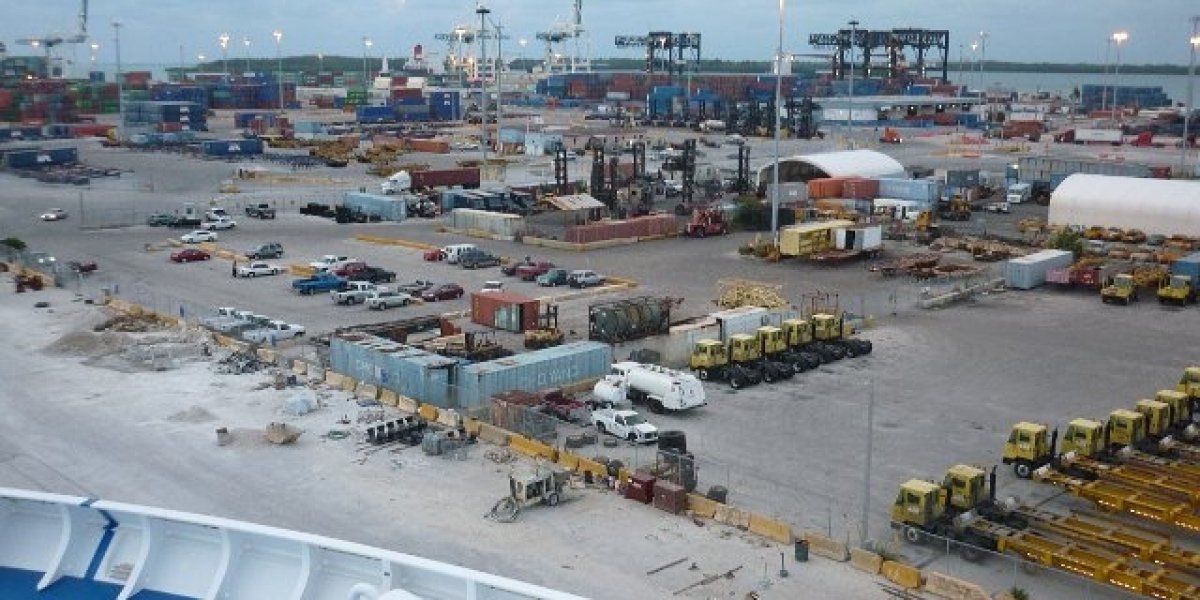
Imagine launching a multi-million dollar chemical plant only to discover a critical safety flaw during the first week of operation. The cost isn't just financial—it’s measured in human safety and environmental impact. This is where foresight becomes the most valuable tool in an engineer's arsenal.
In the complex world of industrial operations, unforeseen dangers lurk in every pipeline, control system, and operational procedure. Identifying these threats before they manifest is not just a regulatory hurdle; it is the cornerstone of responsible engineering. This is the domain of HAZID.
This guide dives deep into Hazard Identification (HAZID), exploring what it is, why it is critical for high-risk industries, and how to implement a robust HAZID process that keeps your workforce safe and your projects compliant.
What Is HAZID?
HAZID stands for Hazard Identification. It is a qualitative risk analysis technique used to identify all significant hazards and threats associated with a project or operation at the earliest possible stage.
Unlike other risk assessments that might occur during detailed design or operation (like HAZOP), HAZID is typically conducted during the early project phases—often during concept selection or Front-End Engineering Design (FEED). It asks the fundamental question: "What could go wrong?"
The goal is to pinpoint external and internal factors that could lead to negative consequences, such as:
- Injury to personnel
- Damage to assets
- Environmental impact
- Reputational damage
HAZID vs. HAZOP: Understanding the Difference
It is common to confuse HAZID with HAZOP (Hazard and Operability Study), but they serve different purposes at different times:
- HAZID is a high-level assessment. It focuses on general hazards (e.g., fire, explosion, structural collapse) and is usually the first formal risk assessment in a project lifecycle.
- HAZOP is a detailed, line-by-line examination of the system's design (e.g., examining flow, pressure, and temperature deviations in specific pipes).
Think of HAZID as scanning the horizon for storm clouds, while HAZOP is checking the ship's hull for microscopic cracks. Both are essential for risk management, but HAZID sets the foundation.
Why Is HAZID Critical in High-Risk Industries?
Industries such as oil and gas, chemical manufacturing, mining, and construction operate on the edge of extreme conditions. High pressures, volatile substances, and heavy machinery create an environment where small errors can lead to catastrophic failures.
Early Detection Saves Lives and Money
The primary objective of HAZID is early detection. Identifying a hazard during the design phase costs a fraction of what it costs to fix it during construction—or worse, after an accident. By spotting issues early, companies can design hazards out of the system rather than trying to manage them later with complex procedures.
Regulatory Compliance
In many jurisdictions, conducting a formal hazard identification study is a legal requirement for obtaining operating permits. Regulatory bodies like OSHA (USA), HSE (UK), and others require demonstrable proof that risks have been identified and reduced to As Low As Reasonably Practicable (ALARP).
Project Viability
Sometimes, a HAZID study reveals that a project is simply too risky or that the cost of mitigating the risks makes the project economically unviable. Knowing this before breaking ground saves investors millions in wasted capital.
The Core Objectives of a HAZID Study
A successful HAZID session isn't just a brainstorming meeting; it is a structured inquiry with specific goals:
1. Identify Hazards: create a comprehensive registry of potential threats.
2. Assess Causes: Understand the root causes (threats) that could release the hazard.
3. Evaluate Consequences: Determine the potential impact if the hazard is realized.
4. Review Safeguards: Analyze existing prevention and mitigation measures.
5. Recommend Actions: Propose specific actions to eliminate or reduce the risk.
The Step-by-Step HAZID Process
Conducting a HAZID requires structure. A poorly organized session can miss critical risks. Here is a practical workflow for managing the HAZID process.
Phase 1: Preparation
The success of the study depends heavily on preparation.
- Define the Scope: Clearly state what is being analyzed. Is it the entire facility, a specific modification, or a new operational procedure?
- Select the Team: Assemble a multidisciplinary team. You need diverse perspectives. A typical team includes a facilitator (chairman), scribe, process engineer, safety engineer, operations representative, and maintenance specialist.
- Gather Documentation: ensure all necessary documents are available. This usually includes plot plans, process flow diagrams (PFDs), heat and mass balance data, and project descriptions.
Phase 2: The HAZID Workshop
This is the core of the process. The team gathers (physically or virtually) to systematically analyze the project using a set of "guidewords" or a checklist.
1. Subdivision of the Project
To make the task manageable, the facility or project is divided into logical "nodes" or sections. For example, in an offshore platform, nodes might be "Wellhead Area," "Processing Module," and "Living Quarters."
2. Guideword Application
The facilitator uses a checklist of potential hazards to prompt discussion for each node. Common HAZID guidewords include:
- External Hazards: Weather, seismic activity, nearby industrial accidents.
- Internal Hazards: Fire, explosion, gas release, high voltage.
- Health Hazards: Noise, radiation, toxic fumes.
- Project Issues: Logistics, construction delays, resource availability.
3. Brainstorming and Recording
For each guideword, the team discusses:
- Cause: What could cause this hazard? (e.g., Corrosion leading to a leak).
- Consequence: What happens if it occurs? (e.g., Gas cloud formation, potential explosion).
- Safeguards: What is currently in place to stop it? (e.g., Gas detectors, corrosion-resistant alloys).
4. Risk Ranking
The team assigns a risk ranking (usually based on a Risk Matrix combining probability and severity) to determine if the current safeguards are sufficient.
Phase 3: Reporting and Follow-up
Once the workshop is complete, the job isn't done.
- The HAZID Report: The scribe compiles a detailed report summarizing the discussions, the identified hazards, and the risk rankings.
- Action Tracking: The most critical output is the "Action Items" list. Each recommendation must be assigned to a specific person with a deadline.
- Closure: The project manager must track these actions to completion. A hazard identified but ignored is a liability, not an asset.
Tools and Techniques for Effective Hazard Identification
While the traditional checklist approach is standard, modern risk management often employs various techniques to enhance the HAZID process.
Checklists
The most common tool. These are standardized lists of hazards derived from industry standards (like ISO or API) and previous company experience. They ensure you don't forget the basics, like "lightning strikes" or "vehicle collisions."
Structured Brainstorming (What-If Analysis)
The facilitator asks "What if..." questions to prompt creative thinking.
- “What if the supply vessel collides with the jetty?”
- “What if the power fails during a critical transfer operation?”
Software Solutions
Gone are the days of spreadsheets alone. Dedicated software like PHA-Pro or BowTieXP helps facilitate sessions, record data in real-time, and link HAZID findings directly to the project's risk register.
Applications in High-Risk Industries
HAZID is versatile. Its application varies slightly depending on the industry, but the core principles remain the same.
Oil and Gas
In this sector, HAZID is non-negotiable. It is used for:
- Offshore Platforms: Assessing risks of helicopter transport, wave impact, and hydrocarbon releases.
- Pipelines: evaluating route selection to avoid populated areas or geologically unstable terrain.
Construction and Infrastructure
Here, the focus shifts to physical safety and logistics.
- Site Layout: Identifying conflicts between cranes and power lines.
- Excavation: Assessing risks of ground collapse or hitting underground utilities.
Chemical Manufacturing
Focuses heavily on reactivity and toxicity.
- Storage: Risks of tank overfilling or chemical incompatibility.
- Transport: Hazards associated with loading and unloading volatile liquids.
Renewable Energy
Even "green" industries have risks.
- Wind Farms: Maintenance access issues, turbine fires, and impacts on local wildlife.
- Battery Storage: Thermal runaway and fire risks in large-scale battery banks.
Benefits of a Robust HAZID Study
Implementing a thorough HAZID process offers benefits that extend far beyond safety compliance.
1. Cost Reduction
It is cheaper to move a line on a drawing than to move a pipe in a refinery. HAZID minimizes expensive "re-work" during the construction phase.
2. Improved Schedule Certainty
Unforeseen hazards cause delays. By identifying permit requirements, environmental constraints, or design flaws early, projects stay on schedule.
3. Enhanced Design Quality
HAZID challenges the design team. It forces engineers to justify their decisions and consider operability, leading to a more robust and user-friendly final facility.
4. Stakeholder Confidence
Investors, insurers, and regulators prefer projects that can demonstrate a controlled risk profile. A comprehensive HAZID report is proof of due diligence.
Common Challenges and Pitfalls
Despite its benefits, HAZID studies can fail if not managed correctly. Watch out for these common traps:
The "Tick-Box" Mentality
If the team views the session as a bureaucratic hurdle rather than a safety opportunity, they will rush through the checklist without genuine engagement.
Poor Team Composition
A room full of design engineers might miss operational hazards. A room full of operators might miss structural risks. You need a mix of Design, Operations, Maintenance, and Safety personnel.
Scope Creep
HAZID is high-level. Teams often get bogged down in detailed design solutions (trying to "solve" the problem rather than identifying it). The facilitator must keep the discussion focused on identification, not detailed engineering.
Lack of Follow-Through
The most dangerous pitfall is a dusty report on a shelf. If the action items are not closed out, the risk remains.
Conclusion
In high-risk industries, safety is not an accident; it is a design feature. HAZID serves as the blueprint for that safety. It is the first line of defense against the chaos of the unexpected, providing a structured forum to ask the hard questions before they become expensive answers.
Whether you are managing a mega-project in the energy sector or a local construction site, the principles of hazard identification remain valid. By investing time in the HAZID process early, you are not just ticking a regulatory box—you are investing in the longevity of your assets and the lives of your people.
As industries evolve and projects become more complex, the ability to foresee and mitigate risk will distinguish the leaders from the laggards. Make HAZID the foundation of your safety culture, and build your projects on certainty.