Wire Junctions are essential in any electrical system to interconnect circuits, split cable runs and offer reliable paths for power and communication. The challenge, then, is to keep these junctions safe, orderly and accessible. An electrical pull box is one of the best means for controlling and safeguarding wire joints.
An electrical pull box may seem uncomplicated, but it serves a crucial role for the wiring system by offering a safe and well-organized area for cables and their connections. In this post, we’ll be covering how an electrical pull box manages wire junctions and why it has come to be such a key part of modern electricity work.
What Are Wire Junctions?
Wire junctions are where 2 or more power wires intersect each other. These junctions allow electricians to:
- Connect multiple circuits
- Run wiring to new locations
- Extend cable runs
- Support repairs and upgrades
These links are power or comms, and they need to be safe, shielded and organized.
What Is an Electrical Pull Box?
A pull box is a junction that allows electrical conduit to connect and run through from line to line or for high-tension cabling. It is installed by electricians along the ways of cables, for long time wires or underground. The box is a safe area for pulling wires, tapping, branching and inspecting.
Although it seems mundane, the pull box is necessary for safe wiring management and particularly while working with wire junctions.
How an Electrical Pull Box Handles Wire Junctions
1. Provides a Safe and Protected Space
Junctions in wire must be protected from moisture, dirt and mechanical abuse. Cables are susceptible to underground, and outdoor elements that may damage or interrupt connections.
The electrical pull box protects these connections, providing a safe environment for wiring and wiring components. It shields the wires from:
- Soil pressure
- Water intrusion
- Corrosion
- Accidental impacts
This insulation helps prevent electrical catastrophe to safeguard wire and junctions for years to come.
2. Makes Splicing and Branching Easier
Joints on wires typically involve cutting and tapping off of cables in various directions. Connections with these devices inside a conduit are difficult an dangerous.
An electrician’s pull box provides enough space. They can open the box and easily access the wires to make clean, precise splices. The additional room also keeps wiring fine and prevents loose or shoddy connections.
3. Supports Clean and Organized Wiring
Wire junctions get ugly and disorganized without a pull box. Ugly wiring complicates maintenance and raises the potential for electrical failures.
Electricians can use the pull box to:
- Arrange wires neatly
- Separate different circuits
- Label cables correctly
- Use connectors safely
This neatly organizes the technicians to understand the system at a glance, and make their electrical installation in general easier and safer.
4. Reduces Strain on Wire Junctions
Long cable runs create tension. Wire junctions in the wire linesight may be subjected to additional stress when cables bend around a corner or change direction.
A pull box alleviates this burden by making longer conduit runs more manageable by splitting them up in shorter sections. It enables electricians to pull wires without any problem and decrease the pressure of junction. The pull box reduces tension, gives the life of the wiring and keeps them from wearing out or failing prematurely.
5. Enables Safe and Quick Maintenance
Wire joints must to be checked frequently if they are in good state. In the event of a failure, technicians have to access the junction point more easily.
A pull box makes it convenient to reach, and won’t require digging or tearing the building apart. Workers can:
- Test connections
- Repair damaged wires
- Replace old splices
- Add new circuits
This convenient access minimizes production downtime and enhances safety to the entire electrical system.
6. Keeps Junctions Dry and Clean
There are few things that kill electrical connections like moisture. Just a few drops of water gets through and your circuit is shorted or you have corrosion.
Pull boxes for electrical are designed to protect the wire junctions from water. Many come with:
- Sealed lids
- Drainage features
- Weather-resistant materials
The pull box provides support and storage for cable slack and by preventing the entry of damaging moisture, dirt or other contaminants into interior does not have cables.
Why Pull Boxes Are Important for Wire Junctions
Pull Boxes Pull boxes are necessary for all wiring practices to keep everything up to code and secure. And here is what makes them so important:
Improved System Reliability
Butt connectors should eliminate electrical problems that occur without warning and which can stop a row of lights from illuminating.
Better Safety
perfectly sealed junction Pull box makes it easier and safer to manage your wire cables.
Faster Troubleshooting
Technicians are able to easily identify and fix problems, saving time and avoiding long outages.
Longer Cable Lifespan
Less strain and more environmental protection means cables and connections will last a long time.
Types of Electrical Pull Boxes Used for Junctions
The type of pull boxes you’ll need depends on the project. Common options include:
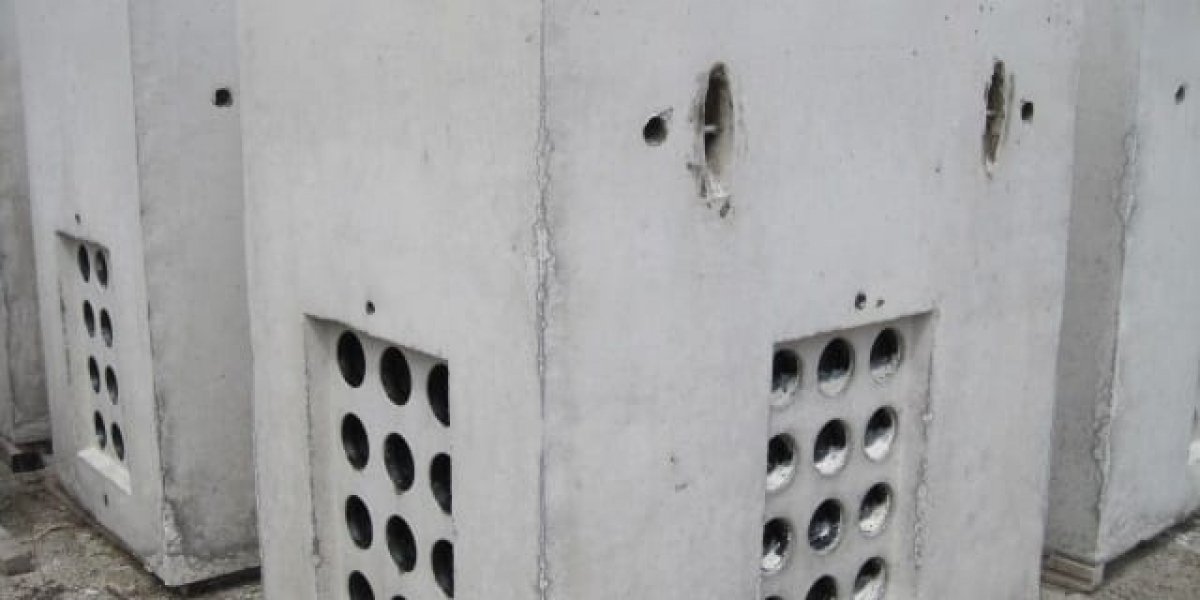
Precast Concrete Pull Boxes
Great for underground, heavy-duty applications.
Metal Pull Boxes
Would be Ideal for industry but may need loosing with anti -rust agent.
Fiberglass Pull Boxes
Light weight, corrosion resistant. Applicable in moist areas.
Most contractors are partial to using precast concrete pull boxes as they provide unmatched protection and long term service life for important wire connection points under the ground.
Where Pull Boxes Are Used for Wire Junctions
Pull boxes are found throughout various facilities including:
- Residential areas
- Commercial buildings
- Industrial plants
- Roadway lighting systems
- Utility corridors
- Airports and transportation facilities
- Data centers
Anywhere underground or long distance wiring takes place, there will be pull boxes to ensure wires are decently managed when they need to come together.
Conclusion
An electrical pull box facilitates wire junctions by offering a clean and safe, accessible location for the enclosure and retaining of cable connections. It aids electricians working on wiring systems to help them make dependable, long-lasting connections and keep the installation, or repair secure.
Pull boxes can be found anywhere from a small housing development to large scale industrial networks and are just as important today for safe and effective lighting and electrical installations.