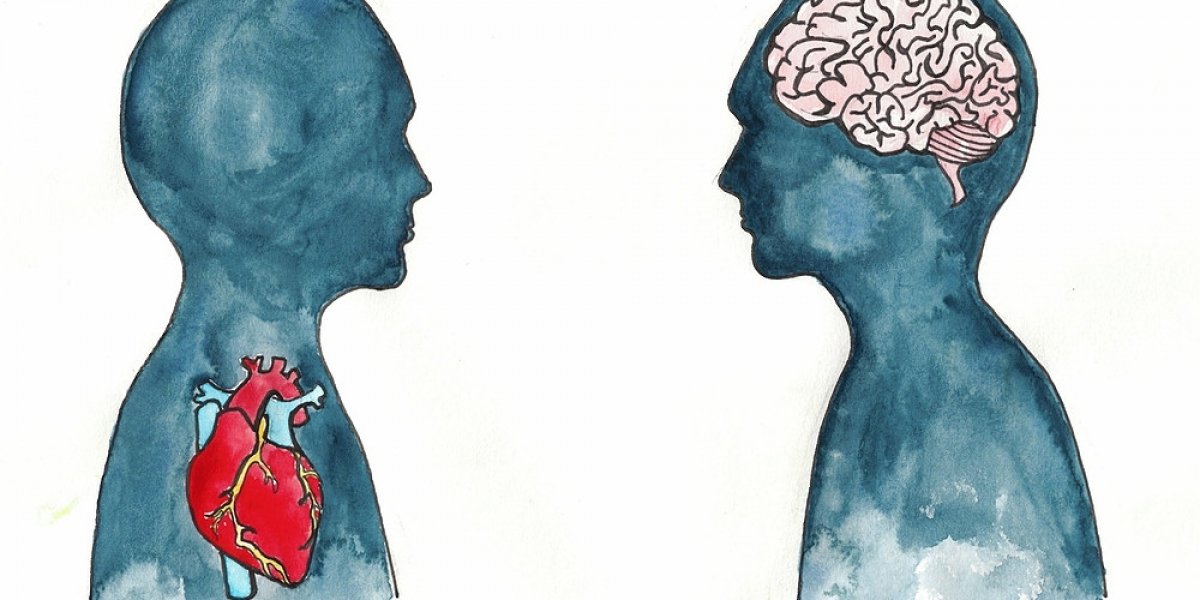
Mental and emotional health is an integral part of overall well-being, influencing how we feel, think, and behave in our daily lives. The state of our mental health can significantly impact our relationships, productivity, and ability to cope with life’s challenges. With increasing awareness about mental health, it is essential to explore effective strategies that promote emotional wellness, mental clarity, and resilience. This article delves into actionable steps you can take to unlock emotional wellness and achieve a balanced state of mind.
Understanding the Importance of Mental and Emotional Health
Mental and emotional health is a critical aspect of living a fulfilled life. When our minds are clear and balanced, we are better equipped to handle stress, make sound decisions, and maintain healthy relationships. Emotional well-being allows individuals to experience joy, pursue their passions, and navigate through adversity with strength and optimism. However, many people tend to neglect their mental health, which can lead to feelings of anxiety, depression, and emotional burnout.
Emotional health is often intertwined with physical health, with each influencing the other. For instance, chronic stress can lead to physical ailments like headaches, high blood pressure, and digestive issues. On the other hand, improving your mental health can promote better sleep, reduce inflammation, and enhance your immune system, providing a holistic benefit to both mind and body.
It’s important to note that mental health is not just about avoiding negative emotions or conditions like depression or anxiety. It is also about embracing positive emotions, cultivating mindfulness, and fostering emotional resilience. When you prioritize emotional wellness, you create a strong foundation for a happier, healthier life.
Exploring Practical Tips to Achieve Emotional Wellness
Achieving emotional wellness involves adopting a proactive approach to managing your mental and emotional health. Here are some practical tips to help you unlock emotional wellness and maintain mental clarity in your daily life.
1. Practice Mindfulness and Meditation
One of the most effective ways to improve emotional wellness is through mindfulness and meditation. Mindfulness involves being present in the moment and acknowledging your thoughts and feelings without judgment. By practicing mindfulness, you can reduce stress, enhance your emotional intelligence, and gain a greater sense of clarity in your decision-making.
Meditation, on the other hand, allows you to train your mind to focus and reduce the noise of daily life. Even a few minutes of meditation each day can help you feel more centered, calm, and emotionally balanced. Techniques such as deep breathing, guided imagery, and body scans are powerful tools that promote relaxation and mental clarity.
2. Maintain a Healthy Work-Life Balance
A balanced life is key to maintaining emotional health. Many people struggle with stress and burnout because they focus too much on work or other obligations, leaving little time for self-care. Prioritizing time for yourself, your hobbies, and your relationships is crucial for your mental well-being.
Setting boundaries, managing your time effectively, and delegating tasks can help reduce stress and improve your overall mental health. It’s essential to find time for activities that bring you joy, whether it’s exercise, reading, or spending quality time with loved ones.
3. Exercise Regularly for Mental Clarity
Exercise is not only beneficial for physical health but also plays a significant role in mental wellness. Engaging in physical activity releases endorphins, which are natural mood boosters. Regular exercise can reduce symptoms of depression, anxiety, and stress, while also enhancing cognitive function and mental clarity.
Aim for at least 30 minutes of moderate-intensity exercise most days of the week. Whether it’s going for a jog, practicing yoga, or dancing, find an activity that you enjoy and that helps you feel energized and mentally clear.
The Role of Health and Wellness in Emotional Wellness
When we talk about health and wellness, it’s important to remember that they encompass more than just physical fitness or diet. True health and wellness involve the harmonious integration of mental, emotional, and physical health. Achieving emotional wellness is just one piece of the puzzle, and it is deeply connected to how well we take care of ourselves in all areas of life.
1. Nutrition’s Impact on Mental Health
What you eat has a direct impact on your mental and emotional health. A balanced diet rich in vitamins, minerals, and antioxidants can improve brain function, regulate mood, and enhance energy levels. Nutrients like omega-3 fatty acids, magnesium, and B vitamins have been shown to have positive effects on mental clarity and emotional resilience.
Consuming a variety of whole foods, including fruits, vegetables, lean proteins, and healthy fats, is key to maintaining both physical and emotional well-being. Avoiding excessive processed foods, sugars, and caffeine can also prevent mood swings and anxiety.
2. The Importance of Sleep
Sleep plays a fundamental role in emotional health. Poor sleep quality or insufficient sleep can lead to irritability, anxiety, and reduced cognitive performance. On the other hand, getting adequate rest helps regulate your mood, improve your decision-making, and maintain mental clarity.
Aim for seven to nine hours of quality sleep each night. To improve sleep quality, establish a consistent sleep routine, create a calming bedtime environment, and avoid screens before bedtime. Prioritizing sleep is an essential aspect of maintaining emotional wellness and achieving mental clarity.
3. Social Connections and Emotional Support
Humans are social beings, and the relationships we nurture play a significant role in our emotional wellness. Building and maintaining strong social connections can enhance feelings of belonging, reduce loneliness, and provide emotional support when needed.
Whether it’s spending time with family, friends, or joining a community group, having a support network is crucial for your mental well-being. Surrounding yourself with positive, supportive people can help boost your emotional health and provide a sense of stability and comfort.
Coping Strategies for Maintaining Emotional Wellness
Life is full of challenges, and at times, it can be difficult to maintain emotional wellness. However, with the right coping strategies in place, you can navigate through tough times with greater resilience and clarity. Here are some strategies to help you cope with stress and maintain your emotional health.
1. Journaling for Self-Reflection
Journaling is an effective tool for self-reflection and emotional expression. Writing down your thoughts and feelings can help you process emotions, gain clarity, and release any pent-up stress. It’s a great way to gain perspective on difficult situations and track your emotional journey.
Set aside time each day to reflect in a journal. Write about your experiences, emotions, challenges, and any goals you may have. Journaling can be a therapeutic way to understand your emotions and improve mental clarity.
2. Seek Professional Support When Needed
If you find that you are struggling with your mental and emotional health, it is important to seek professional support. Therapists, counselors, and mental health professionals can provide valuable guidance, coping strategies, and tools for improving emotional wellness.
There is no shame in seeking help when you need it. Mental health professionals can help you work through challenges, address underlying issues, and offer support as you navigate your emotional wellness journey.
3. Practice Gratitude
Practicing gratitude is an effective way to shift your mindset and enhance emotional health. Taking time each day to acknowledge the things you are thankful for can improve your outlook on life, increase happiness, and reduce feelings of stress.
Try keeping a gratitude journal where you list three things you are grateful for each day. This simple practice can help you focus on the positive aspects of your life and cultivate a more optimistic and balanced emotional state.
Conclusion
Unlocking emotional wellness and achieving mental clarity is a lifelong journey that requires commitment and self-care. By incorporating mindfulness practices, maintaining a healthy lifestyle, seeking professional support, and nurturing positive relationships, you can improve your mental and emotional well-being. Remember, your mental health is just as important as your physical health, and taking steps toward emotional wellness can lead to a more fulfilling and balanced life. Prioritize your mental and emotional health today, and experience the positive impact it can have on all areas of your life.