In the past, vending machines were simple devices that only accepted coins or cash. If you didn’t have exact change, you couldn’t make a purchase. Today, vending machines have become much more advanced, allowing for a wide variety of payment options, including credit and debit cards, mobile wallets, and contactless payments. This evolution has made buying snacks, drinks, and even specialty items faster, easier, and more convenient than ever before.
The addition of card readers has completely changed the way vending machines operate. Not only do they make transactions smoother for customers, but they also help machine operators manage sales, inventory, and revenue more effectively. Understanding the technology behind vending machine card readers, how they work, and their benefits can help both consumers and business owners make the most of this innovation.
How Vending Machine Card Readers Work
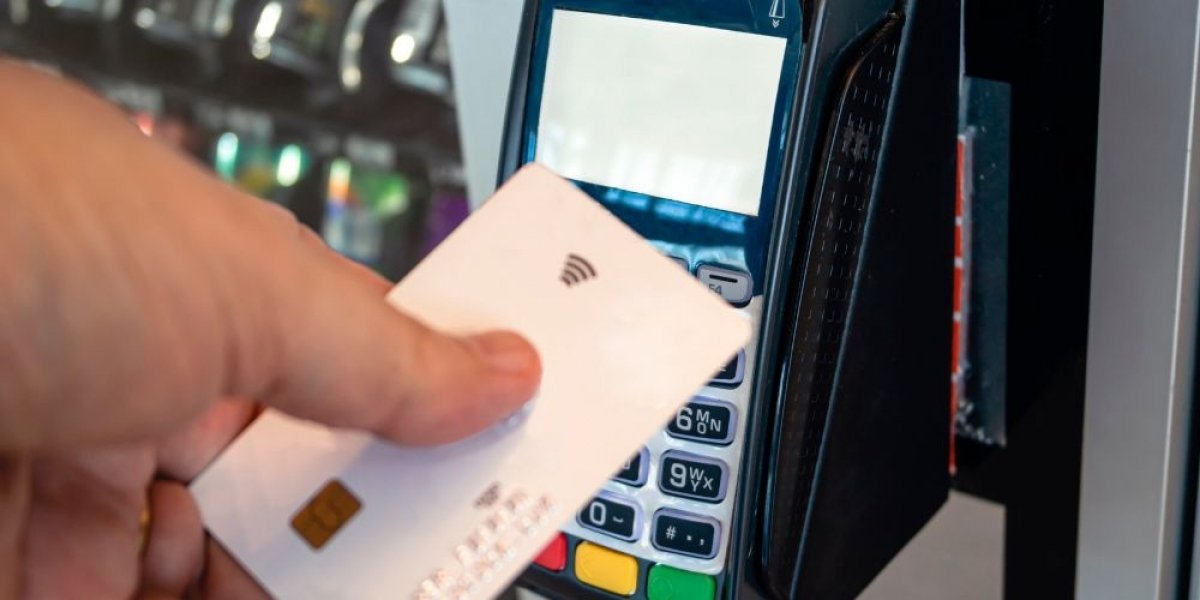
Vending machine card readers are devices that allow machines to accept payments without cash. Most modern readers use Near Field Communication (NFC) or Radio Frequency Identification (RFID) technology to support contactless payments. When a customer taps a card or mobile device on the reader, the system communicates with a secure payment network to authorize the transaction. The process typically takes only a few seconds, making it faster and more convenient than cash.
Many card readers also support traditional magnetic stripe cards and EMV chip cards. This versatility ensures that the machines can serve a wide range of customers, from those who prefer physical cards to those using mobile payment apps. Advanced readers even allow integration with loyalty programs, enabling rewards and promotions to be applied automatically during transactions.
Benefits for Consumers
The most obvious benefit of vending machine card readers is convenience. Many people rarely carry cash anymore, so offering cashless payments ensures that everyone can use the machine easily. This eliminates the frustration of searching for coins or small bills and encourages more frequent use.
Card readers also allow for faster transactions, reducing wait times for customers. Some machines even offer mobile app integration, giving users the ability to pre-order or pay digitally. These features not only enhance the customer experience but also increase sales by making transactions quicker and more accessible.
Benefits for Operators
For vending machine operators, card readers provide many advantages. One of the biggest is better data tracking. Cashless systems automatically record every transaction, which helps operators monitor sales trends, inventory levels, and popular products. This data can then inform restocking schedules, pricing decisions, and marketing strategies.
Cashless payments also reduce the need for manual cash handling, which lowers the risk of theft and operational costs. Some modern card readers even allow remote monitoring, letting operators check machine status, receive alerts about low stock, and troubleshoot issues without visiting the machine in person.
Security and Reliability
Security is a key concern with card payments, and modern vending machine readers are designed with robust protections. They use encryption and tokenization to keep card data safe during transactions. EMV chip compatibility and secure payment standards help prevent fraud and reduce the risk of chargebacks. By using these secure systems, operators can protect both their business and their customers.
Challenges to Consider
While card readers offer many benefits, there are challenges as well. Installing these systems can be costly, especially for large fleets of vending machines. Maintenance and technical support are also necessary to ensure devices stay up-to-date with payment standards.
Network connectivity is another important factor. Most card readers require cellular or Wi-Fi connections to process payments. In areas with poor connectivity, transactions may fail or take longer, which can frustrate customers. Operators should evaluate these factors carefully before upgrading their machines.
Choosing the Right Card Reader
Selecting the right vending machine card reader depends on several factors. Operators should decide which types of payments they want to accept, such as contactless cards, mobile wallets, or EMV chip cards. Compatibility with existing machines is also essential. Some readers can be easily retrofitted onto older machines, while others require newer models. Cost, transaction fees, and subscription services should also be considered.
To learn more about reliable options for upgrading vending machines, check out this vending machine card readers solution that combines easy installation with multiple payment options.
Why Cashless is the Future
The shift to cashless vending machines reflects a broader trend toward digital payments. Consumers increasingly expect fast, secure, and convenient payment options. By offering card and mobile payment solutions, operators can attract more customers and increase revenue.
Cashless systems also open the door to creative promotions. Operators can implement loyalty programs, digital discounts, or time-based pricing strategies that are easily managed through card reader platforms. These features provide added value for both the operator and the consumer.
Additional Advantages
Vending machine card readers also offer hygiene and environmental benefits. Contactless payments reduce the need to touch cash, helping prevent the spread of germs. Handling less cash also decreases the environmental impact associated with printing, transporting, and managing currency. These benefits contribute to a safer and more modern vending experience.
Specialty vending machines, which sell items like electronics, personal care products, or fresh food, can particularly benefit from card readers. Accepting cashless payments makes high-value products easier to sell and improves security for operators, making the machines more versatile and profitable.
The Future of Vending Machine Payments
Looking ahead, vending machine card readers are likely to become even more advanced. Integration with mobile apps, loyalty programs, and digital wallets will increase. Features like pre-ordering, subscription services, and personalized offers may become standard. Some systems may even use biometric payments, such as facial recognition or fingerprint scanning, for added convenience and security.
With these improvements, vending machines will continue to evolve into smarter, more connected platforms that provide both convenience for consumers and operational benefits for operators.
Conclusion
Vending machine card readers have transformed the industry, making transactions faster, more secure, and convenient. They benefit both consumers and operators by offering easy payment options, better data tracking, and reduced operational challenges. While there are costs and technical considerations, the advantages of cashless vending make it a valuable investment. As payment technology continues to evolve, these devices will play an increasingly central role in modern vending operations.