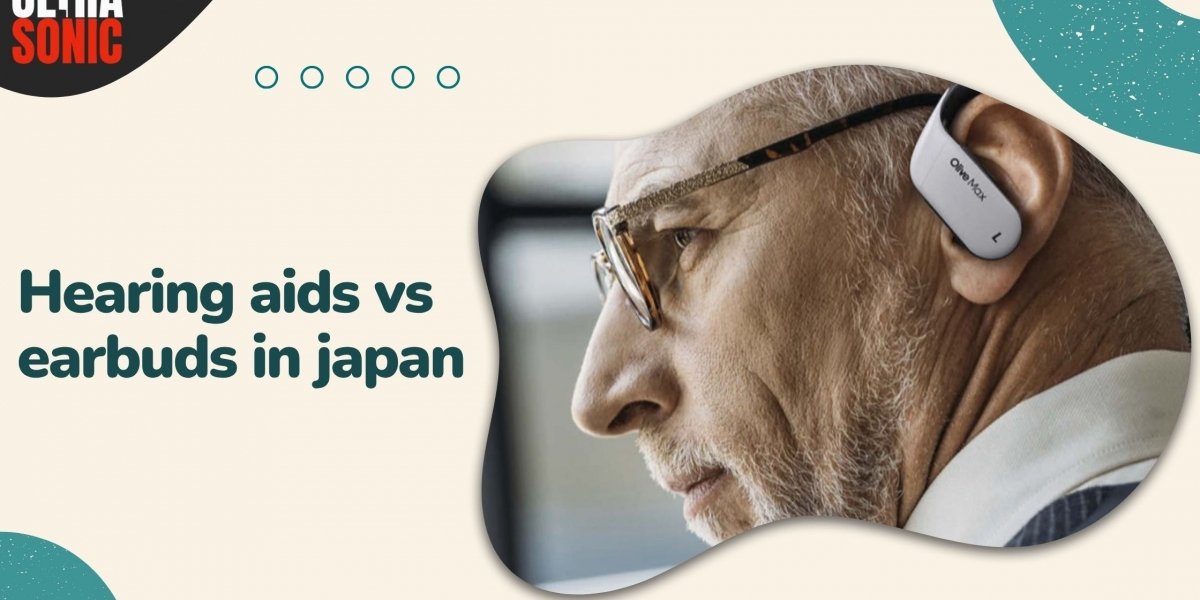
Japan is home to one of the world’s most advanced audio technology markets, with consumers demanding high-quality sound, modern designs, and smart digital features. As a result, many people facing mild to moderate hearing difficulties often wonder whether high-tech earbuds can function as substitutes for hearing aids. The debate around hearing aids vs earbuds in Japan has grown significantly, especially as earbuds continue to evolve with noise cancellation, transparency modes, and enhanced sound quality.
At Ultra Sonic, we believe that understanding the differences between these devices is essential for protecting your hearing and choosing the safest, most effective solution. This article explores the advantages and risks of each option, helping you determine the best choice for hearing support in Japan.
Why This Debate Matters in Japan
Japan has a rapidly aging population, with nearly 30% of its citizens over the age of 65. This has led to an increased need for hearing support solutions. At the same time, Japan’s strong digital and consumer electronics culture means devices like wireless earbuds are extremely popular.
Many people try using earbuds to hear conversations more clearly, thinking increased volume is enough. But this trend raises a crucial question:
When comparing hearing aids vs earbuds in Japan, which option truly provides safer, more effective hearing support?
Understanding the Purpose: Hearing Aids vs Earbuds
Hearing Aids: Designed for Hearing Health
Hearing aids are medical-grade devices specifically developed to support individuals with hearing loss. They include advanced features such as:
Speech enhancement
Selective noise reduction
Frequency balancing
Real-time sound processing based on hearing needs
Volume protection to prevent further hearing damage
These technologies are engineered to improve sound clarity while protecting long-term hearing health.
Earbuds: Designed for Entertainment
Most earbuds, even premium ones, are built for:
Music listening
Phone calls
Media consumption
Gaming or entertainment
While some earbuds include transparency or “hear-through” modes, these features are not medically regulated and are not meant to address hearing loss.
In short:
Hearing aids = medical support.
Earbuds = entertainment tools.
Sound Quality: Speech Clarity vs Amplified Noise
Hearing Aids Provide Speech-Focused Clarity
Modern hearing aids use directional microphones and intelligent processors to focus on human speech. This helps users hear conversations clearly, even in noisy Japanese environments such as trains, cafés, or bustling streets.
Earbuds Boost All Sounds Equally
When using earbuds for hearing support, everything becomes louder—not clearer. Environmental noise, wind, background chatter, and music all blend together, making speech harder to distinguish.
This is one of the biggest differences when comparing hearing aids vs earbuds in Japan.
Safety: Protecting Long-Term Hearing Health
Hearing Aids Prevent Over-Amplification
Hearing aids automatically regulate volume and protect users from dangerous sound levels. They are designed to avoid worsening hearing loss.
Earbuds Can Be Risky
Japan’s fast-paced lifestyle means many people wear earbuds for long hours—during commutes, work, and leisure. When earbuds are used to compensate for hearing difficulty, the volume often gets set too high.
This can result in:
Noise-induced hearing loss
Tinnitus
Ear fatigue
Long-term damage to hearing cells
This makes hearing aids significantly safer for long-term hearing support.
Comfort and Daily Wearability
Hearing Aids: Made for All-Day Use
Hearing aids are lightweight, ergonomic, and optimized for extended wear. They offer:
Minimal pressure on the ear
Good ventilation
Comfort during long-term use
Stable fit during movement
Earbuds: Not for Continuous Wear
Japanese users commonly wear earbuds during work or commuting, but using them all day can cause:
Ear canal irritation
Poor ventilation
Ear infections
Discomfort after prolonged use
For daily hearing support, earbuds simply aren’t designed for long-term comfort.
Adaptation to Different Environments
Japan’s environments vary widely—from quiet offices to busy trains and lively shopping streets.
Hearing Aids Automatically Adapt
They feature intelligent environmental adjustments such as:
Noise reduction in crowded spaces
Enhanced clarity in quiet settings
Wind noise suppression outdoors
Earbuds Lack Medical-Grade Adaptation
Although some earbuds include noise cancellation or transparency modes, they are not optimized for real-world hearing challenges like distinguishing speech in noisy restaurants.
Regulations and Medical Approval
Hearing aids are regulated medical devices in Japan and must meet strict standards set by the Pharmaceuticals and Medical Devices Agency (PMDA). This ensures:
Safety
Reliability
Effective hearing support
Protection from harmful sound exposure
Earbuds are not regulated for hearing health, and their “hearing modes” are not medically approved.
Cost: Affordable Options Are Available
Many Japanese consumers choose earbuds thinking hearing aids are too expensive. However, new smartphone-compatible hearing aids and affordable smart devices are changing the landscape.
Users now have access to:
Budget-friendly hearing-support devices
App-based customization
Rechargeable, long-lasting solutions
Discreet, comfortable designs
This makes professional hearing support more accessible than ever before.
So, What Is the Best Hearing Support Option in Japan?
After comparing hearing aids vs earbuds in Japan, the answer is clear:
✔ Hearing aids are the safest, most effective option
They are medically designed to improve hearing clarity, reduce noise, and protect long-term ear health.
✔ Earbuds cannot replace hearing aids
Earbuds are excellent for music and calls, but they are not appropriate for managing hearing difficulties. Using them as substitutes can worsen hearing loss.
✔ Modern hearing aids offer comfort, customization, and smart features
Today’s devices combine advanced technology with user-friendly designs suitable for Japanese lifestyles.
Ultra Sonic: Supporting Japan’s Hearing Future
At Ultra Sonic, we help individuals across Japan choose safe, effective, and modern hearing solutions. Whether you’re exploring hearing aids for the first time or comparing them to earbuds, our expert guidance ensures you make a decision that protects your hearing for years to come.
We believe hearing health should be accessible, comfortable, and supported by innovation. That’s why we champion advanced solutions that offer clarity, reliability, and long-term safety